
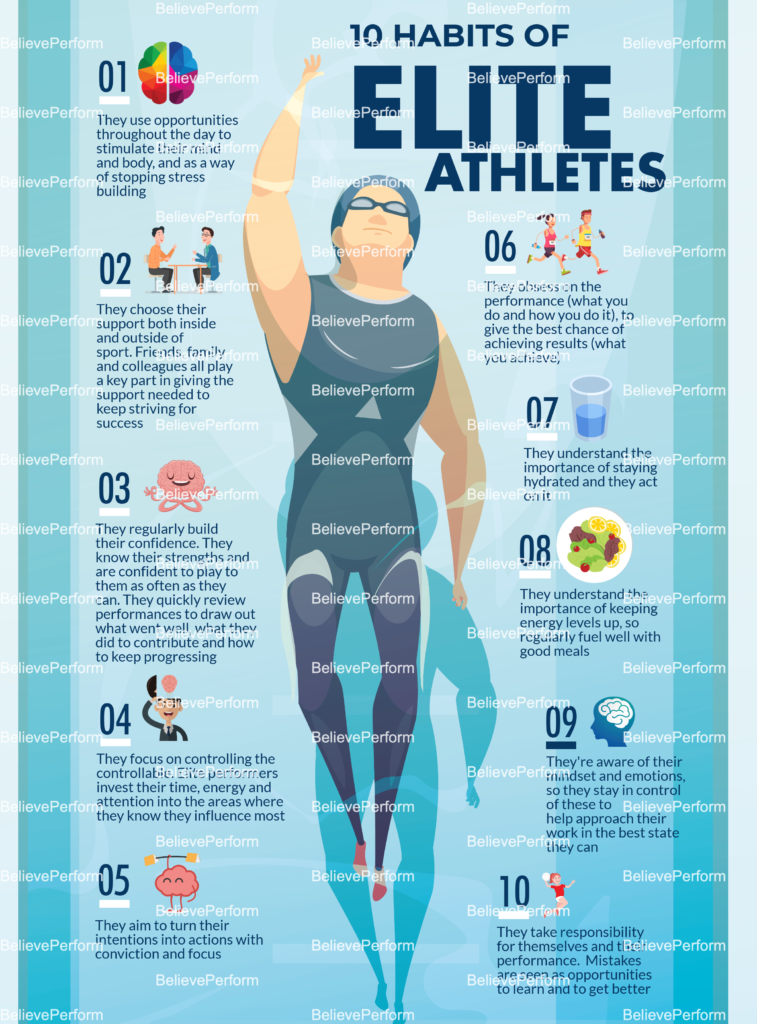
Ever stared at the ceiling at 3 AM, wondering how some people seem to effortlessly crush their goals while you're still struggling to remember to floss? I know I have. We've all been there, scrolling through Instagram, seeing athletes achieving incredible feats and thinking, "How do theydothat?". It's not just talent; it's the bedrock of consistent habits that gets them across the finish line, both literally and figuratively. And the good news is, we can all learn from their playbook.
Unlocking the Secret Sauce: Habits That Stick
For years, I bounced between fitness fads, productivity hacks, and every self-help book imaginable. I'd start strong, fueled by initial motivation, only to fizzle out within weeks, sometimes days. The problem wasn't a lack of willpower; it was a lack of understanding about how habits truly work. I treated them like something I could force into existence, rather than something I needed to cultivate. Then, I started researching the training regimens of top athletes, and a whole new world opened up. These individuals, driven by intense competition and unwavering ambition, have mastered the art of habit formation. They understand that consistency, not intensity, is the key to long-term success. This isn’t about becoming an Olympian overnight; it's about building a system for lasting personal growth, one small, consistent action at a time. We're going to unpack some of their best strategies, translating their elite athlete techniques into actionable steps you can use in your own life.
The Power of Incremental Progress: Small Wins, Big Results
One of the biggest takeaways from observing elite athletes is their relentless focus on incremental progress. They don’t aim for overnight transformations; they focus on consistently improving by small margins. Think about a marathon runner. They don't jump into running 26.2 miles without proper training. They start with shorter distances, gradually increasing their mileage week after week. This principle of gradual improvement applies to any habit you want to build. Instead of aiming to meditate for an hour every day (which might be overwhelming if you're a beginner), start with just five minutes. Set a timer, find a quiet space, and focus on your breath. As you become more comfortable, you can gradually increase the duration. The key is to make the habit so easy that you can't say no. This principle taps into the power of momentum. Each small win builds confidence and motivation, making it easier to stick to your routine over time. It’s also less daunting psychologically. The "all or nothing" mentality is a recipe for burnout. By focusing on small, achievable steps, you avoid feeling overwhelmed and increase your chances of long-term adherence. Imagine wanting to improve your writing. Don't aim to write a novel in a month. Commit to writing just one paragraph a day. That's manageable, even on your busiest days. Over time, those paragraphs will accumulate, and you'll develop a consistent writing habit.
This approach also aligns with the concept of "atomic habits," as described by James Clear. He emphasizes the importance of making habits obvious, attractive, easy, and satisfying. By breaking down your desired habit into small, manageable steps, you make it easier to implement and more likely to stick. Consider the habit of drinking more water. Instead of aiming to drink a gallon a day (which can be uncomfortable and unsustainable), start by adding one extra glass of water to your morning routine. Keep a water bottle visible on your desk as a visual cue. Add a slice of lemon or cucumber to make it more appealing. And reward yourself with a healthy snack or a few minutes of relaxation after you finish your glass. By applying these principles of incremental progress, you can transform overwhelming goals into achievable habits that become an integral part of your daily routine. This resonates with my personal experience. I used to struggle with reading. I'd buy books with great intentions, but they'd often sit on my shelf, untouched. Then, I decided to start small. I committed to reading just five pages a day. It felt almost ridiculously easy, but the consistency paid off. Before I knew it, I was reading several books a month, simply by focusing on that small, consistent action.
Mastering Your Environment: Setting the Stage for Success
Another critical lesson I learned from athletes is the importance of environmental design. They understand that their surroundings play a crucial role in shaping their habits. A swimmer, for example, wouldn't train in a pool filled with obstacles or distractions. They create a focused and supportive environment that facilitates their training. Similarly, a basketball player wouldn't practice in a poorly lit court with slippery floors. They ensure that their environment is conducive to optimal performance. We can apply this same principle to our own lives. If you're trying to establish a healthy eating habit, declutter your kitchen of unhealthy snacks and stock it with nutritious options. Make it easy to make healthy choices and difficult to indulge in unhealthy ones. Place fruits and vegetables in a visible location, and hide away processed foods and sugary drinks. If you're trying to develop a consistent exercise routine, prepare your workout clothes the night before and place them in a visible spot. This simple act will serve as a visual cue and make it more likely that you'll actually follow through with your workout. Create a dedicated workout space in your home, free from distractions like the TV or your phone.
Environmental design also extends to your social environment. Surround yourself with people who support your goals and inspire you to be your best self. Join a fitness group, connect with like-minded individuals online, or find a workout buddy. Having a supportive network can provide accountability and motivation, making it easier to stick to your habits. It’s about carefully curating your physical and social environment to support the habits you want to build and eliminate the triggers that lead to unwanted behaviors. One example is limiting screen time before bed. Our phones emit blue light that interferes with sleep, so creating a "no phone zone" in your bedroom can significantly improve your sleep quality. Charge your phone in another room and invest in an old-fashioned alarm clock. This simple change can make a world of difference. I used to struggle with procrastination. I'd sit down to work, but I'd inevitably get distracted by social media or emails. Then, I decided to create a dedicated workspace, free from distractions. I turned off notifications on my phone, closed unnecessary tabs on my computer, and made sure my workspace was clean and organized. This simple change transformed my productivity. I was able to focus more easily and get more done in less time. It was a powerful reminder of the impact that our environment can have on our habits.
The Power of Tracking and Reflection: Measuring What Matters
Top athletes meticulously track their performance, analyzing data to identify areas for improvement. They use tools like heart rate monitors, GPS trackers, and training logs to monitor their progress and make data-driven decisions. While you don’t need to invest in expensive equipment, the principle of tracking and reflection can be applied to any habit you want to build. Keeping a journal, using a habit tracking app, or simply making a note on your calendar can provide valuable insights into your progress and identify potential roadblocks. Tracking your progress helps you stay motivated and accountable. Seeing your progress over time can be incredibly rewarding and reinforce your commitment to your goals. It also allows you to identify patterns and trends that might be hindering your progress. For example, if you're trying to improve your sleep, tracking your sleep duration and quality can help you identify factors that are affecting your sleep, such as caffeine consumption or late-night screen time. Reflection is equally important. Take time each week or month to review your progress, identify what's working and what's not, and make adjustments as needed. Ask yourself questions like: "What challenges did I face this week?" "What strategies helped me overcome those challenges?" "What can I do differently next week?"
This process of tracking and reflection transforms you from a passive observer to an active participant in your own habit formation. It allows you to take ownership of your progress and make informed decisions about your future actions. I’ve found that even a simple spreadsheet, where I track my daily habits, can be incredibly powerful. Just seeing those checkmarks accumulate day after day creates a sense of accomplishment and reinforces my commitment. I also use a journal to reflect on my experiences, noting what went well and what could be improved. This process has helped me identify patterns in my behavior and develop strategies for overcoming challenges. For example, I noticed that I was more likely to skip my morning workout if I didn't prepare my workout clothes the night before. So, I made it a habit to lay out my clothes each evening, which significantly improved my consistency. The combination of tracking and reflection is like having a personal coach, guiding you towards your goals and helping you stay on track. It’s a powerful tool for building habits that last, and it's something that all elite athletes utilize to continuously improve their performance.
Building habits isn’t about willpower or discipline alone. It's about understanding the psychology of habit formation and creating a system that supports your goals. By focusing on incremental progress, mastering your environment, and tracking your results, you can create lasting change and unlock your full potential. Remember, even the most successful athletes started somewhere. It's the consistent effort, the daily dedication to building good habits, that separates them from the rest. So, take a deep breath, choose one small habit to focus on, and start building your own path to success. The journey of a thousand miles begins with a single step, and the journey to lasting habits begins with one small, consistent action.