
Do you ever feel like time is a thief, especially when you're trying to study? Like you blink, and suddenly an hour vanished without you even realizing what you accomplished? I used to. It was incredibly frustrating. I’d sit down, determined to conquer a chapter, only to find myself lost in a rabbit hole of social media or re-organizing my desk for the tenth time. Then, I stumbled upon something that genuinely revolutionized my study sessions: visual timers. Seriously, these simple tools changed everything for me.
My Pre-Timer Study Struggles
Before I discovered the magic of visual timers, my study habits were… chaotic, to put it mildly. I'd tell myself, “Okay, I’m going to study for three hours straight," envisioning myself as some kind of hyper-focused academic machine. Reality, however, was vastly different. About twenty minutes in, the allure of checking my phone became irresistible. “Just a quick peek,” I’d tell myself, which inevitably turned into scrolling through Instagram for far longer than I intended. Or, I'd decide that my workspace was suddenly a disaster zone and launch into a cleaning frenzy. Any small distraction was enough to derail my focus completely.
The biggest issue, I realized, wasn't a lack of willpower. It was a lack of awareness. I had no real sense of how I was spending my time. Three hours felt like an eternity when I was staring down the barrel of a textbook, but in retrospect, those hours were often filled with procrastination and unproductive activities. I lacked the structure and visual cues to keep me on track. I tried setting alarms on my phone, but those were easily dismissed or snoozed indefinitely. The traditional timer, with its abstract numerical display, didn't really connect with me on a visceral level. It was just another number, easy to ignore in the heat of the moment.
My grades weren't terrible, but they definitely weren't reflecting my potential. I knew I was capable of more, but I couldn't seem to harness my energy and focus effectively. I felt constantly stressed and behind, even when I was putting in long hours. It was a vicious cycle of procrastination, followed by frantic cramming, and then the inevitable burnout. I knew something had to change. That's when I started researching different study techniques and time management strategies, and I kept coming across the recommendation for visual timers. I was skeptical at first, but desperate enough to give it a try. And I'm so glad I did.
The Visual Timer Revolution
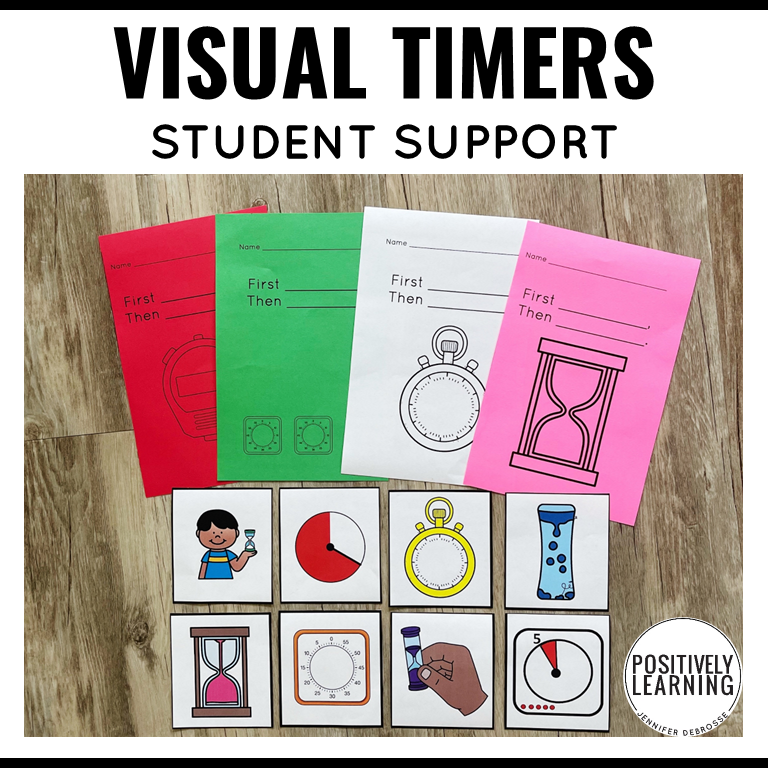
So, what exactly is a visual timer and why is it so effective? A visual timer, in its simplest form, is a timer that shows the passage of time through a shrinking colored disk or bar. Unlike a traditional digital timer that only displays numbers, a visual timer provides a clear, at-a-glance representation of how much time is remaining. This visual element is key because it taps into a different part of our brain, making it easier to understand and internalize the concept of time.
Think of it like this: imagine you’re driving and relying only on the speedometer to gauge your speed. It tells you how fast you're going, but it doesn't give you a visual sense of motion. Now, imagine looking out the window. You can see the world whizzing by, providing a more intuitive understanding of your speed. A visual timer works in a similar way. The shrinking colored disk acts as that "window," providing a constant visual reminder of the ticking clock. This constant visual cue helped me stay grounded in the present moment and resist the urge to wander off task. It also created a subtle sense of urgency, motivating me to make the most of the remaining time.
There are various types of visual timers available, both physical and digital. I personally started with a Time Timer, which has a large, red disk that gradually disappears as time elapses. I loved the simplicity and tangibility of it. However, there are also many excellent apps and browser extensions that offer visual timer functionality. The key is to find one that resonates with you and that you'll actually use consistently. Experiment with different options until you find the perfect fit. The beauty of these tools is that they are designed to be simple and easy to use, which is crucial for someone who is already feeling overwhelmed by the pressures of studying. The straightforward visual representation of time transformed my perception and dramatically improved my focus during study sessions.
Implementing the Pomodoro Technique with a Twist
The Pomodoro Technique, a time management method that involves working in focused 25-minute intervals followed by short breaks, became my new best friend, thanks to the visual timer. Before, the Pomodoro Technique felt like a rigid and somewhat restrictive structure. I'd set an alarm on my phone for 25 minutes, but I'd often find myself ignoring it or working through the break because I was "in the zone." The visual timer, however, added a layer of accountability and made the whole process feel much more manageable.
Instead of just setting an alarm, I would set the visual timer for 25 minutes and place it prominently on my desk. The shrinking red disk served as a constant visual reminder of my commitment to focused work. Knowing that I only had 25 minutes to dedicate to a specific task helped me prioritize and avoid getting bogged down in details. If I found myself starting to drift off, I would simply glance at the timer and gently redirect my attention back to the task at hand. The visual timer also helped me understand that small increments of focused effort can accumulate over time to produce significant results. I was far more productive in four 25-minute sessions than I ever was in one unfocused two-hour study marathon.
But here's the twist: I didn't always stick to the traditional 25-minute intervals. Sometimes, I found that 25 minutes wasn't quite long enough to get into a deep flow state, especially when I was working on complex tasks. So, I started experimenting with longer intervals, such as 45 minutes or even an hour. The visual timer allowed me to customize the Pomodoro Technique to fit my own individual needs and preferences. The important thing was that I maintained a consistent rhythm of focused work followed by short breaks. The breaks are just as important as the work intervals. I use my breaks to stretch, grab a snack, or step away from my study area entirely to give my brain a rest.
Beyond Study: Time Awareness in Everyday Life
The impact of visual timers extended far beyond my study sessions. Once I experienced the benefits of time awareness in my academic life, I began to incorporate visual timers into other aspects of my daily routine. For instance, I started using a visual timer to manage my time while cooking. No more burnt dinners! I also found it helpful for tasks like exercising, cleaning, and even reading. It helped me stay focused and motivated, preventing me from getting distracted or giving up prematurely.
One unexpected benefit was improved mindfulness. By constantly being aware of the passage of time, I became more present in the moment. I started noticing the subtle details of my surroundings and appreciating the simple pleasures of everyday life. I was no longer rushing through tasks on autopilot, but rather engaging with them consciously and deliberately. This increased sense of awareness also helped me manage my stress levels. Instead of feeling overwhelmed by the sheer volume of tasks on my to-do list, I was able to break them down into smaller, more manageable chunks and tackle them one at a time, guided by the visual timer.
Furthermore, using visual timers has improved my overall time management skills. I’m more aware of how long things actually take, which has helped me plan my days more effectively. I'm also better at estimating the time required for new tasks, which reduces the likelihood of overcommitting myself. It really became less about the timer itself, and more about instilling a sense of conscious time awareness. It changed my approach to planning, helping me allocate realistic time slots for all my activities and commitments.
Visual timers weren't just a study aid; they were a catalyst for positive change in my entire life. They taught me the importance of time awareness, focus, and mindfulness, and they empowered me to take control of my schedule and achieve my goals.
So, if you're struggling with procrastination, distractions, or simply feeling overwhelmed by the pressures of studying, I highly recommend giving visual timers a try. They may seem like a small and insignificant tool, but they have the power to transform your study habits and your life.